Digital Product Design (UX/UI)
User research, interface design, interactive prototypes and design systems.
Explore the serviceFIG 10 — PRODUCT DESIGN
KEY TAKEAWAYS
Think of a restaurant. UX is the whole visit: how easy it was to book, whether the menu made sense, how fast food arrived, whether you'd come back. UI is the plating, the typography on the menu, the lighting, the finish on the cutlery. Both matter, but they are different jobs. A gorgeous menu can't save a two-hour wait, and brilliant service is undermined by a menu nobody can decode.
UX (user experience) work is structural. It asks: who uses this product, what are they trying to get done, and what's stopping them? Its methods are research, interviews, journey maps, usability tests, and its outputs are flows, wireframes and information architecture. When a designer says "we tested the checkout with eight users and four failed at the address step," that's UX work: locating and removing the failure points between a user and their goal.
UI (user interface) work is what you can screenshot: layout, colour, typography, spacing, icons, animation, and the component library that keeps a hundred screens consistent. Good UI does more than look premium; it communicates hierarchy (what to read first), state (what's happening now) and affordance (what's tappable). It's also where brand lives in a product: the same flows in a different visual language feel like a different company.
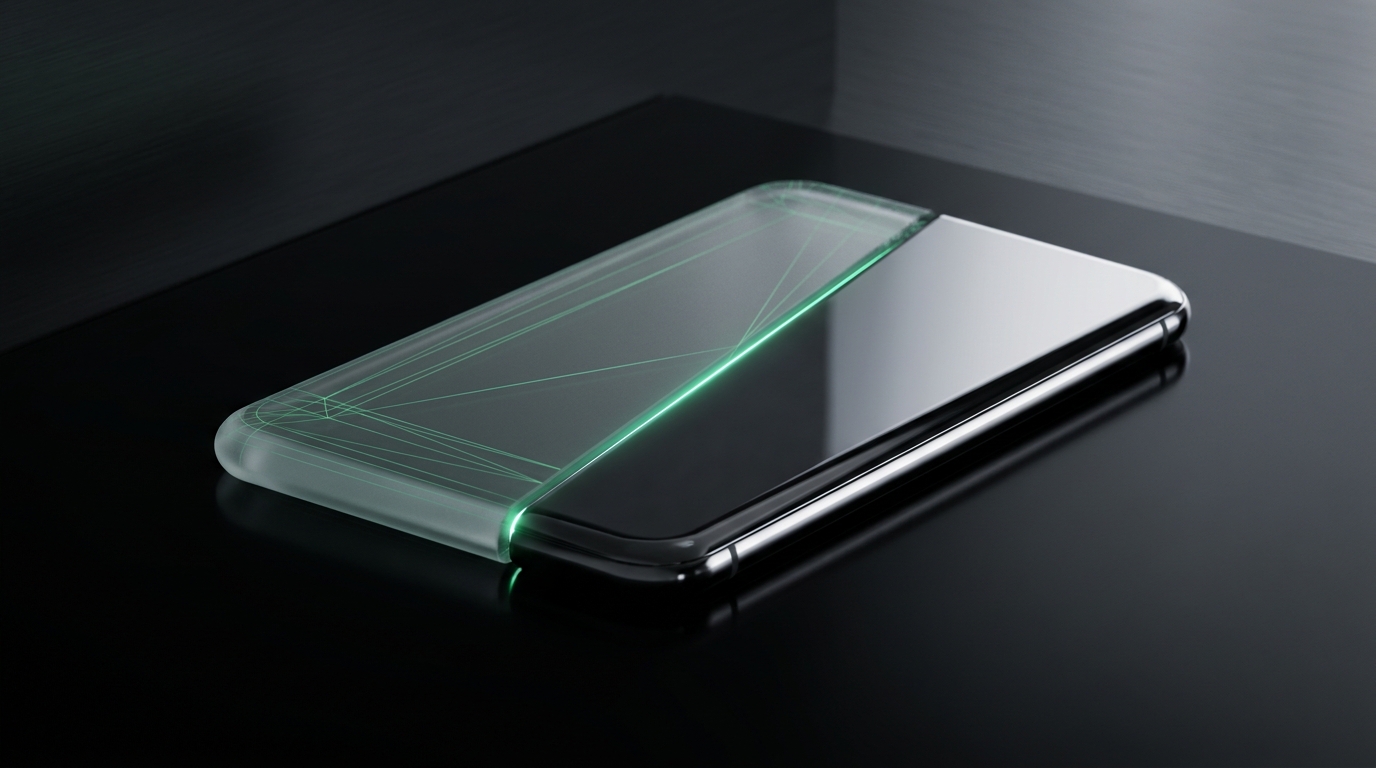
UI without UX produces the beautiful product nobody can use: it demos well, wins design praise and bleeds users at the same broken step every day. UX without UI produces the usable product nobody trusts: the flow works but the surface feels dated, and in categories like finance, visual credibility is part of the product. This is why we sell them as one engagement: research decides what the screens must do, design decides how they do it, and testing confirms both.
When you see "user research," "journey mapping," "wireframes" or "usability testing" on a proposal, that's UX: it's buying certainty that the product works. "High-fidelity design," "design system" and "developer handoff" are UI: they're buying the quality and consistency of the finished surface. If a quote has UI lines with no UX lines, someone is guessing what your users need, and the guess is what you'll pay to fix after launch.
END — ARTICLE FAQ
Founders know their product too well to see its confusion. A small 5 to 8 user study is cheap insurance against a wrong build.
Yes, when flows and research already exist. We deliver Figma screens, a design system and developer documentation.
A mid-sized app runs 6 to 12 weeks from research to final design; quotes are fixed per project from HK$90,000.
CTA — RELATED SERVICE
User research, interface design, interactive prototypes and design systems.
Explore the serviceREL — RELATED ARTICLES
Three ways to get digital capability, and the real costs of each. A framework for choosing before you sign anything.
Read MoreMost companies buy too early or build too early. Five questions that settle it before you spend.
Read MoreOne platform captures demand, the other creates it. How to split a first budget, and when to change the split.
Read More